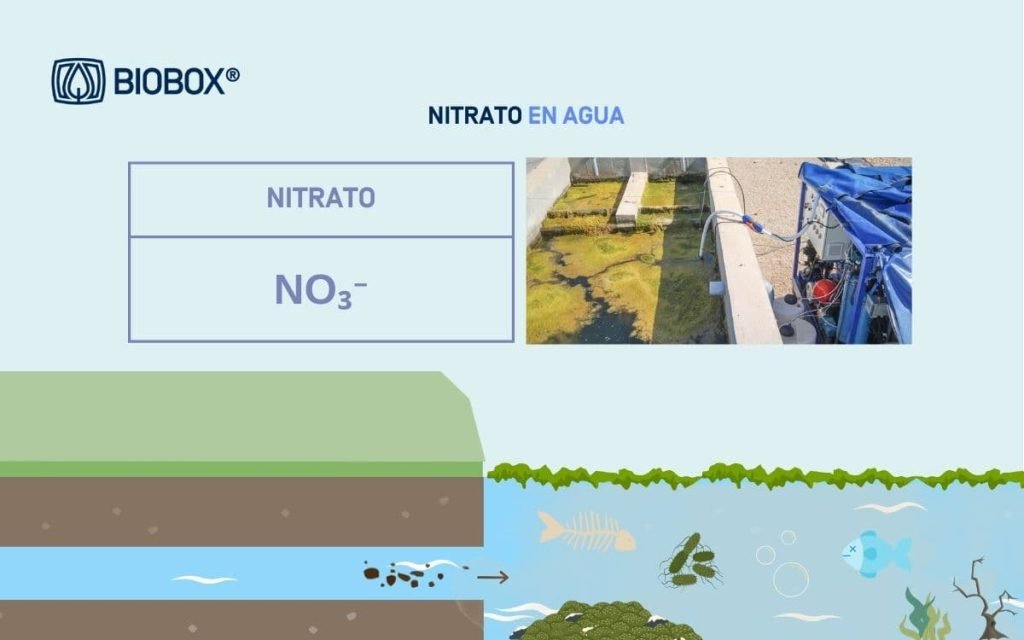
The presence of nitrate in water is becoming an increasingly important issue worldwide. Removing nitrate from water has become a critical necessity, as nitrate contamination—mainly caused by human activities—poses a threat to both aquatic ecosystems and human health. Understanding where nitrate comes from, its effects, and the available solutions is essential to tackling this challenge effectively and sustainably.
What is Nitrate and Why Does it Represent a Problem?
Nitrate is a natural chemical compound essential for plant growth. In nature, plants absorb it as a form of nitrogen, a key nutrient for their development. However, when nitrate concentrations in water increase beyond natural levels, they can generate severe impacts on both ecosystems and human health.
How is Nitrate Formed in Nature?
Nitrate is naturally formed through processes such as the action of nitrifying bacteria, abiotic fixation, and certain specific geological formations, such as the Atacama Desert in Chile. Thanks to the nitrogen cycle, these compounds transform and circulate between the atmosphere, soil, living organisms, and water, maintaining a balance that prevents excessive accumulation.
The Impact of Human Activity on the Nitrogen Cycle
Unfortunately, human activity has disrupted this balance, leading to an excess of nitrate that ecosystems cannot naturally absorb. This exceeds their self-purification capacity and causes serious impacts. Major sources of nitrate pollution include:
- Agricultural runoff loaded with nitrogen fertilizers and herbicides.
- Industrial effluents.
- Leaks from septic tanks and sewage systems.
- Animal manure runoff from intensive farming.
Ecological Consequences of Nitrate Pollution
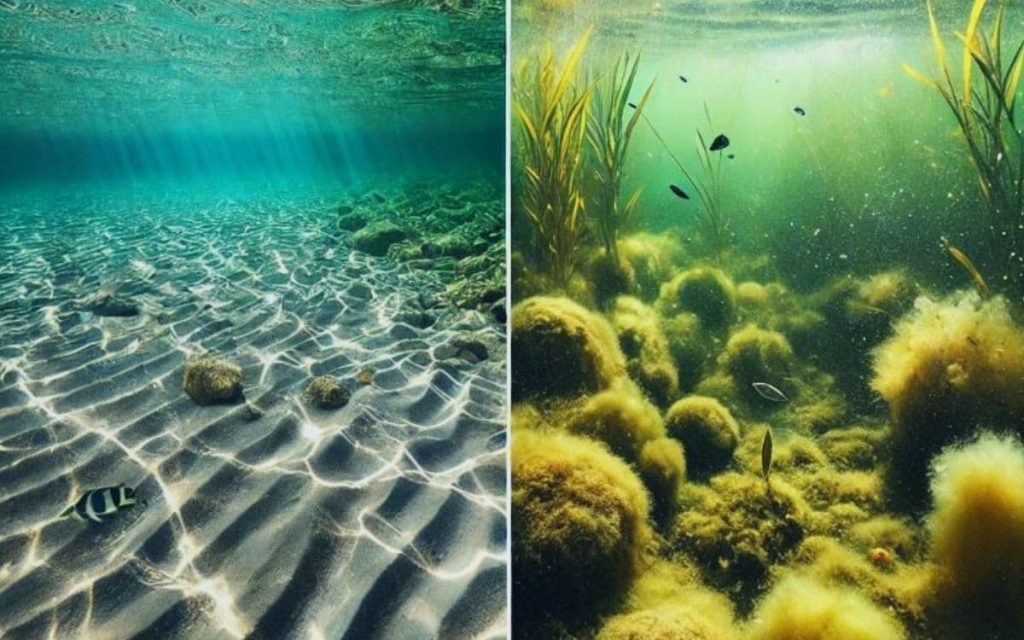
Discharges of contaminated water, enriched with nutrients like nitrate, promote a process called eutrophication, characterized by excessive organic growth, particularly algae. This phenomenon, known as algal bloom, triggers rapid and uncontrolled algae growth, which quickly covers the surface of the water. This causes water turbidity, blocking light from reaching the bottom of aquatic ecosystems.
As a result:
- Aquatic vegetation is unable to perform photosynthesis and eventually dies.
- Large amounts of settleable solids and dead plant matter accumulate.
- Oxygen depletion leads to anoxic conditions (complete lack of oxygen).
- Thousands of aquatic species die due to the absence of oxygen, severely disrupting the ecosystem’s biodiversity.


Impacts on human health
Nitrate also poses serious risks to human health. High concentrations of nitrate in drinking water have been linked to health issues such as:
- Methemoglobinemia (commonly known as “blue baby syndrome”)
- Gastrointestinal cancers
For this reason, water from aquifers intended for human consumption must contain less than 50 mg/L of NO₃⁻. If nitrate levels exceed this limit, they must be removed before the water reaches consumers.
The global scale of the nitrate problem
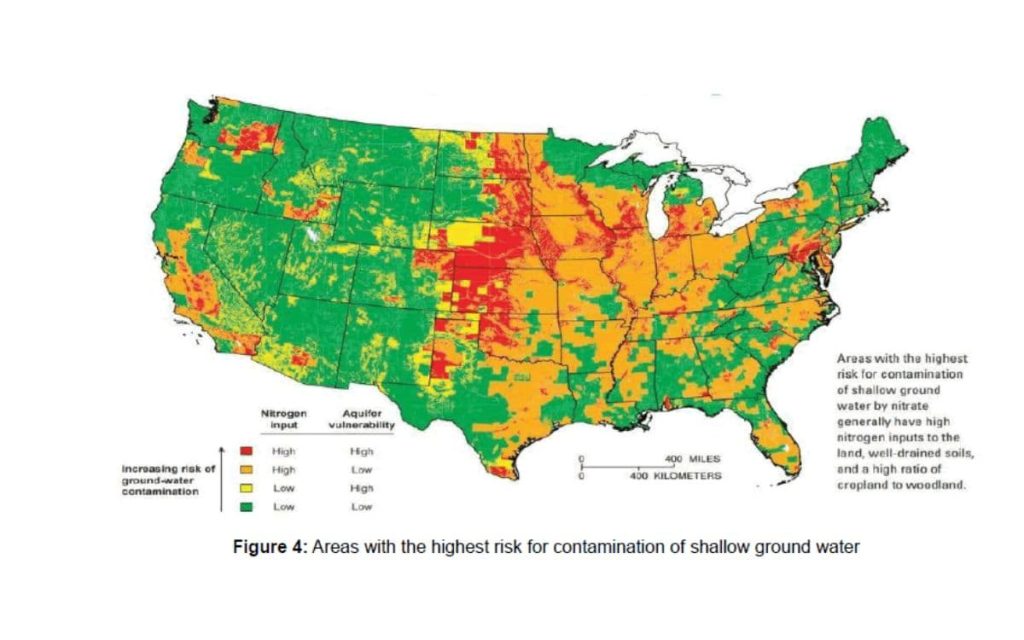
Nitrate contamination has grown to such an extent that it is now considered a pressing global challenge. In the United States, nitrates have been classified as the second most critical contaminant in the List of Priority Contaminants in Drinking Water by the EPA. In Europe, a specific Nitrates Directive has been in place since 1991, requiring member states to implement action plans to reduce water pollution, with increasingly strict measures being introduced over time.
Contamination maps clearly show affected regions in the U.S., Europe, and Spain, highlighting the growing global need to adopt biological nitrate removal technologies to address this escalating crisis.


Available solutions for removing nitrates from water
There are currently two main types of technologies to tackle the problem of nitrates in water:
- Separation technologies such as reverse osmosis, anion exchange resins, and electrodialysis. These methods separate nitrates from the water but often come with high energy costs, chemical handling requirements, and the production of secondary waste.
- Elimination technologies like biological denitrification, which naturally convert nitrates into harmless compounds.
As environmental regulations become increasingly strict, demand is growing for efficient, sustainable solutions with lower operational impact.
Advanced biological technology for nitrate removal: The BIOBOX approach
At BIOBOX, we’ve developed a proprietary, patented technology for nitrate removal that’s unique in the market. We use safe, food-grade bacteria (classified as Group 1 for human health) to convert nitrates into nitrogen gas, mimicking the natural nitrogen cycle. In other words, we replicate nature’s process—but in a controlled, intensified, and fully automated way.
What sets us apart?
- Up to 95% nitrate removal, certified by SGS—even in water with nitrate concentrations exceeding 2,400 mg/L.
- No generation of harmful waste, making our process cleaner and more manageable. Focus on sustainability
- Hasta un 70% menos de costes operativos en comparación con soluciones tradicionales como la ósmosis inversa.
- Greater utilization of treated water, achieving a recovery rate of 95-98%, whereas reverse osmosis typically loses around 30%.
- Safe, natural, and energy-efficient operation.
- Fully automated plant, requiring no constant on-site personnel.
- Health authority-approved technology.
In addition, our prefabricated plants—available in container or skid-mounted formats—are already operational in various locations, delivering high-quality water that meets stringent health standards.
Have a challenge involving nitrate removal from water in a safe and sustainable way?
Don’t hesitate to reach out to us. We’ll assess your case individually and propose the most suitable solution. At BIOBOX, we specialize in advanced water treatment.